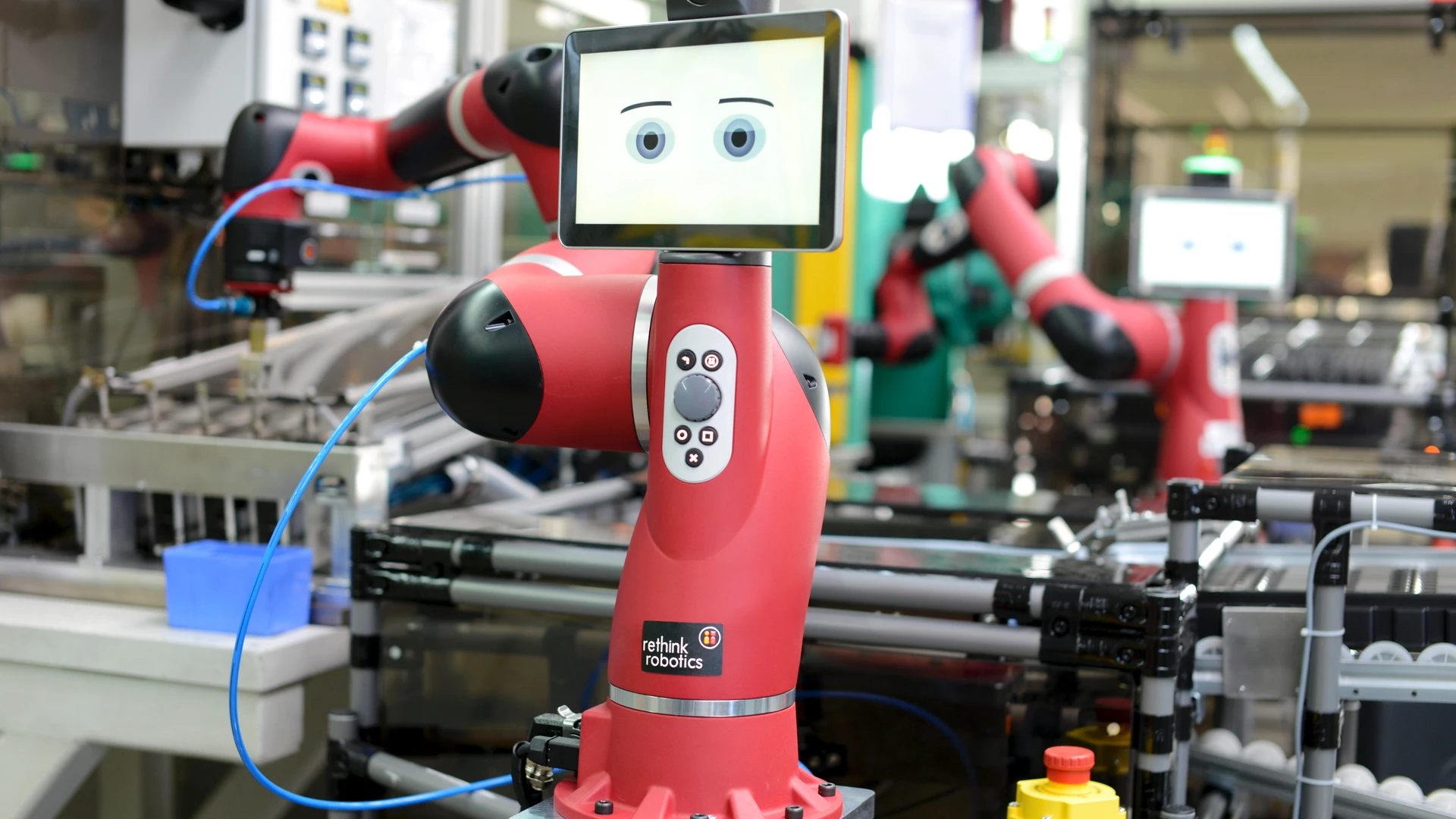
Not every agent waits behind a chat window for a question. Some watch event streams, act on defined triggers, and reach for a human only when a threshold breaks: quiet coworkers running inside the infrastructure.
When software takes a task from start to finish instead of merely following an instruction, the meaning of colleague changes. What software agents can genuinely own, where human oversight remains essential, and how their arrival reshapes team structure.
Sifting stacks of resumes, repeating the same interviews, and losing key people without warning make up most of an HR team's load. A practical guide for Iranian managers: where AI genuinely helps, where bias needs watching, and what the terminology means in plain language.
The real question for most managers is not how many jobs disappear, but which skills hold their value. A realistic picture of how roles are being rearranged inside organisations, and where investment in skills still delivers a clear return.
The AI talent pool is small and heavily contested: hiring locally is costly, while remote hiring demands coordination and discipline. A practical guide for Iranian managers on choosing between the two, defining the roles you truly need, and understanding the technical terms in plain language.
The real question for managers is not whether jobs will change, but which skills hold their value through the end of this decade. A picture of the 2027–2030 labour market and what it takes to prepare a team.
The distance between firms that have woven AI into daily operations and those still stuck in pilots is widening faster than expected. We break down the mechanics of that gap and the routes by which a mid-sized business can end up on the right side of it.
Teams split between office and home suffer most from lost decisions and repeated meetings. Automatic notes, async updates, and knowledge capture close that gap, as long as the tools never turn into employee surveillance.